Why So Many Women Feel Unprepared for Menopause

Most women know menopause is coming. They've heard about hot flashes, maybe from a mother or a passing joke on television. But knowing menopause exists and being genuinely prepared for it are two different things — and for the majority of women entering perimenopause, the experience lands harder than expected and gets far less medical attention than it deserves. That gap isn't a personal failure. It's a systemic one.
Last updated: May 2026
Most women know menopause is coming. They've heard about hot flashes, maybe from a mother or an older friend, maybe from a passing joke on television. But knowing menopause exists and being genuinely prepared for it are two very different things. For the majority of women entering perimenopause, the experience lands harder than expected, moves faster than anticipated, and gets far less medical attention than it deserves.
That gap between what women expect and what they actually experience is not a personal failure. It is a systemic one.
What Women Are Actually Experiencing
The symptoms of menopause and perimenopause are wide-ranging, often overlapping, and frequently dismissed. Hot flashes get the most airtime, but they are only one piece of a much larger picture. Women navigating this transition commonly report:
Disrupted sleep and chronic fatigue that does not respond to rest
Brain fog and difficulty concentrating, sometimes severe enough to affect work performance
Mood changes, heightened anxiety, and a general sense that their emotional baseline has shifted
Low libido and vaginal dryness that affect intimate relationships and day-to-day comfort
Weight changes and metabolic shifts that occur even without changes to diet or exercise habits
Joint pain and muscle aches that seem to appear without explanation
Heart palpitations and changes in body temperature regulation
These symptoms often begin during perimenopause, the transitional phase that can start in a woman's early 40s and last a decade before the final menstrual period. By the time many women understand what is happening to them, they have already spent months or years trying to manage symptoms they did not recognize as hormonal in origin.
A Mayo Clinic study published in Mayo Clinic Proceedings surveyed nearly 5,000 women aged 45 to 60 across four primary care locations. More than three out of four respondents were experiencing menopause symptoms, with many reporting substantial effects on daily life, work productivity, and overall well-being. The most striking finding: more than 80% of those women had not sought medical care for their symptoms at all. Only about one in four was receiving any treatment.
That is not because women do not want help. It is because many do not know help is available, or they have been told their symptoms are normal and not something medicine can meaningfully address.
The Education Gap Starts Early
A fundamental reason so many women feel blindsided by menopause is that they were never taught much about it. The reproductive health education most women receive focuses almost entirely on fertility, contraception, and pregnancy. What happens after the reproductive years is largely treated as a footnote. By the time women are asking real questions about perimenopause, they are often starting from close to zero.
The healthcare system is not much better positioned to fill that gap. A national survey of OB/GYN residency program directors found that only 31.3% of programs had a dedicated menopause curriculum. Nearly all program directors, 92.9%, agreed that residents should have access to standardized menopause training, but the infrastructure to deliver it largely does not exist. Separate research found that one in five family medicine, internal medicine, and OB/GYN residents reported receiving no menopause lectures during residency, and only 6.8% felt adequately prepared to manage women experiencing menopause.
This means that many of the physicians women turn to with their symptoms have received minimal formal education on the very transition their patients are living through. Women are not imagining that their doctors seem uncertain or dismissive. In many cases, their doctors genuinely lack the training to respond effectively.
The Consequences of Undertreated Menopause
Going through menopause without support is not simply uncomfortable. It carries real health consequences that extend well beyond the years of acute symptoms.
Bone health. Estrogen plays a central role in maintaining bone density. As estrogen declines during and after menopause, bone loss accelerates. Without proactive monitoring and intervention, this puts women at significant risk for osteoporosis and fracture.
Cardiovascular risk. Menopause is associated with changes in lipid profiles, blood pressure, and vascular function. Women's cardiovascular risk increases meaningfully after menopause, a window in which preventive care and hormone-informed management can make a measurable difference.
Cognitive and mood health. The hormonal fluctuations of perimenopause are directly connected to sleep quality, mood regulation, and cognitive function. Untreated sleep disruption and mood symptoms have compounding effects on long-term mental health.
Sexual and urogenital health. Genitourinary syndrome of menopause (GSM) causes vaginal dryness, urinary urgency, and pain with intercourse. It does not resolve on its own and worsens over time without treatment, yet it is among the most underreported and undertreated conditions in menopause care.
The pattern across all of these domains is the same: early attention and proactive management change outcomes. Late or absent care means women spend years unnecessarily suffering, and arrive at older age with a preventable burden of chronic conditions.
Why Women Are Still Not Getting the Care They Need
Several forces converge to keep women underserved in this transition.
The first is a cultural tendency to frame menopause as something to be endured rather than treated. Women are told it is natural, as though natural and manageable are mutually exclusive. Childbirth is also natural. No one suggests women decline support for that reason.
The second is the lasting damage done by a misreading of the Women's Health Initiative study, which in 2002 generated widespread fear around hormone therapy. That fear led to a dramatic drop in prescriptions and a generation of physicians trained to avoid the conversation. The evidence has since been substantially reassessed and refined, but the hesitancy persists in both patients and providers. As the Menopause Society has noted, safety concerns around hormone therapy have caused both women and their healthcare professionals to hesitate, even though hormone therapy is recognized as the most effective treatment for managing menopause symptoms and is considered relatively safe for many women, and even though effective non-hormone options also exist for women with true contraindications.
The third is structural. Most traditional gynecology appointments are short. There is rarely enough time in a standard visit to take a thorough symptom history, explain the full range of evidence-based options, and build a thoughtful care plan. Women leave with handouts or referrals, not answers.
What Prepared Menopause Care Actually Looks Like
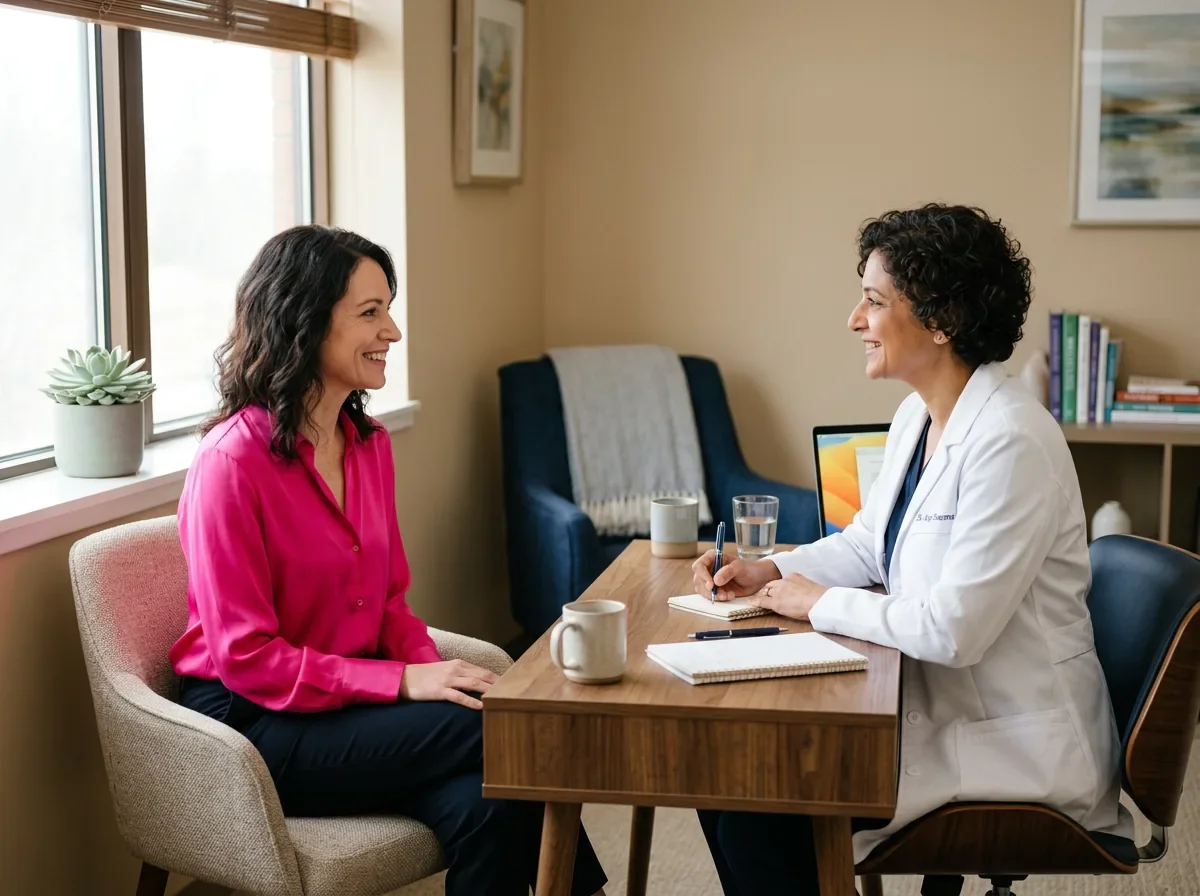
Menopause is not a single event. It is a years-long physiological transition that touches nearly every major body system. Managing it well requires a provider who understands the clinical complexity, stays current on the evolving evidence, and has enough time with each patient to actually listen.
Prepared menopause care includes:
A thorough symptom review that goes well beyond hot flashes
Baseline lab work and screening to identify metabolic, cardiovascular, and bone health risks
An individualized approach to hormone therapy that accounts for a patient's history, symptom profile, and preferences
Frank, informed conversations about sexual health and genitourinary changes
A long-term preventive framework that extends from perimenopause into postmenopause
A provider who follows the current recommendations from the Menopause Society and who views this transition as a clinical priority, not a life stage to simply validate
Women who enter menopause with this kind of care look different at 65 than women who navigated the transition alone. That difference is measurable in bone density, cardiovascular health, sleep quality, cognitive function, and quality of life. It begins with finding a provider who treats menopause with the seriousness it deserves.
What to Look for in a Menopause Specialist
Not all gynecologists have the same depth of training or focus in menopause medicine. When evaluating a potential provider, it is worth asking a few specific questions:
Does the provider hold the Menopause Society Certified Practitioner (MSCP) credential? This certification requires demonstrated competency in menopause management and a commitment to ongoing education in the field.
Does the practice offer extended appointments that allow for real conversation about complex symptom pictures?
Is the approach individualized, or does the practice use a one-size-fits-all protocol for menopause?
Does the provider discuss both hormonal and non-hormonal options and help you understand the evidence behind each?
The MSCP credential in particular is a meaningful signal. It represents a level of intentionality about menopause medicine that is not universal among OB/GYNs, regardless of years in practice.
The New Era in Women's Midlife Health
The 2026 National Women's Health Week theme, "Prevention, Innovation, and Impact: A New Era in Women's Health," reflects a genuine shift. More women are demanding better answers. More clinicians are pursuing specialized training. More research is being done. The conversation about menopause, long treated as peripheral, is moving to the center of women's health discourse.
Women who enter this transition, informed and supported by a qualified specialist, are not passive patients waiting for symptoms to resolve. They are active participants in their own long-term health, armed with real information and real options. That is what menopause care should always have been.
Menopause-Informed Care in Metairie and the Greater New Orleans Area
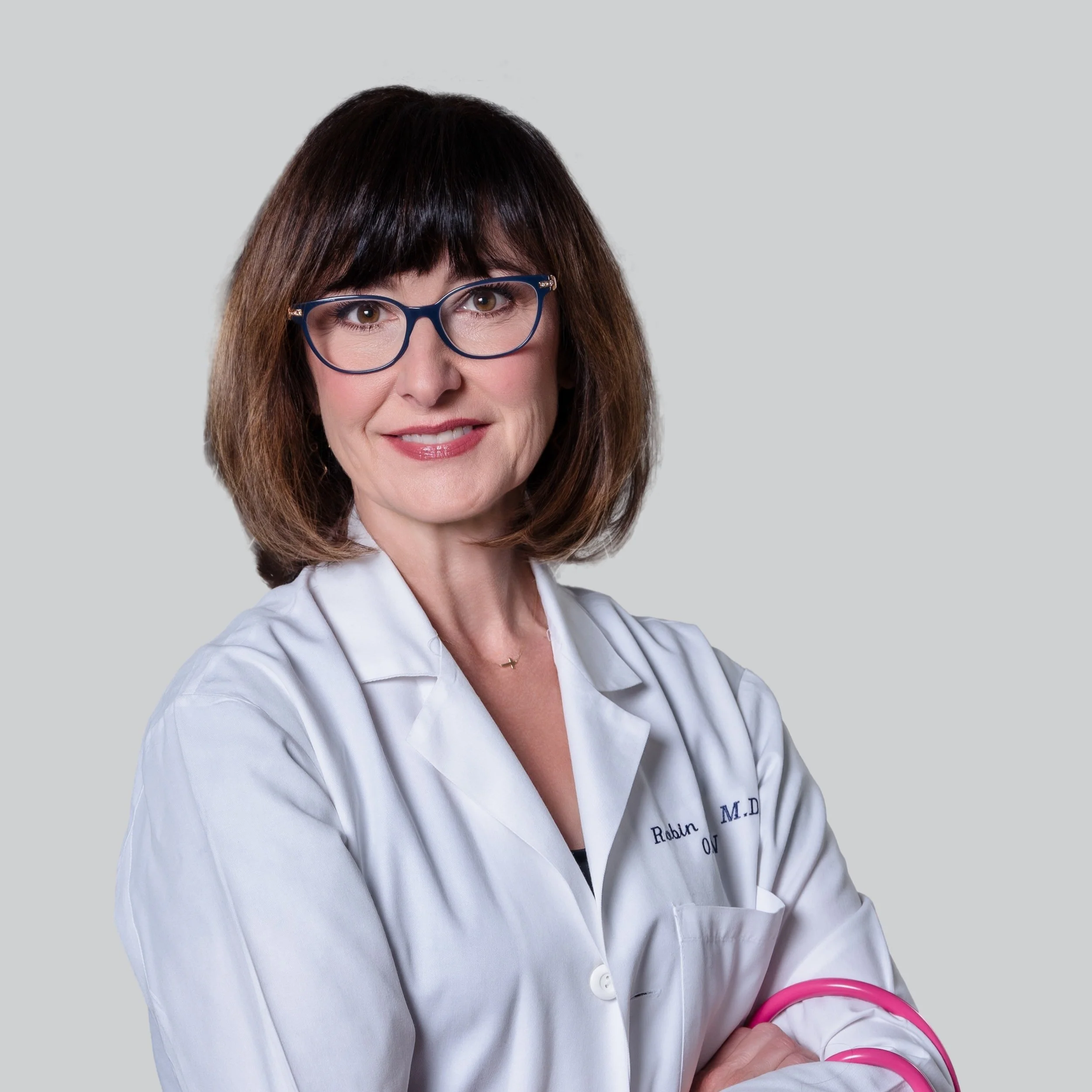
Dr. Robin Bone at Signature Health is a board-certified OB/GYN, Fellow of the American College of Obstetricians and Gynecologists (FACOG), and Menopause Society Certified Practitioner (MSCP) with more than 25 years of experience caring for women through all stages of life. Through a concierge membership model, Signature Health offers unhurried, evidence-based menopause care tailored to each patient's history, symptoms, and goals. Extended appointments, direct provider access, and personalized wellness planning mean that women in the Metairie and New Orleans area can finally get the comprehensive, hormone-informed care that midlife deserves. If you are navigating perimenopause or menopause and want to work with a dedicated menopause specialist, we invite you to schedule a meet-and-greet at signaturehealthrb.com.